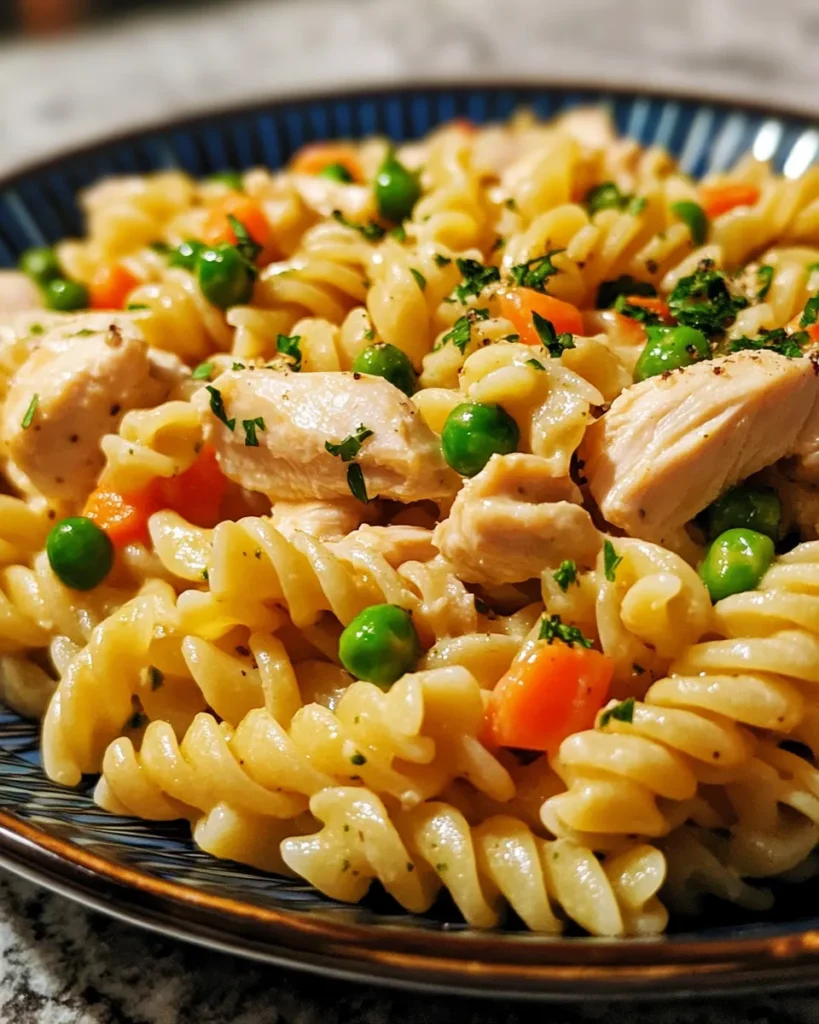
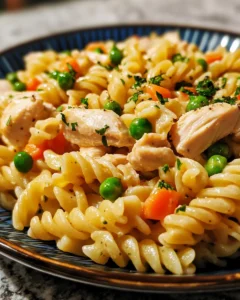
Comfort food has a special way of bringing everyone to the table, and this classic chicken pot pie pasta does exactly that. It’s the perfect dish for cozy family dinners, busy weeknights when you still want something homemade, or weekends when you’re craving familiar flavors with a comforting twist. This recipe takes everything people love about traditional chicken pot pie and transforms it into a creamy, satisfying pasta dish that’s easy to serve and even easier to enjoy.
The inspiration behind this dish comes from the timeless appeal of chicken pot pie, a recipe passed down through generations as a symbol of warmth and home cooking. By combining tender chicken, vegetables, and a creamy sauce with pasta, this meal captures that nostalgic comfort while offering a modern, family-friendly approach. It’s hearty, soothing, and designed to become a regular favorite at your dinner table.
Why Chicken Pot Pie Pasta Is a Family Favorite
Chicken pot pie pasta stands out because it delivers familiar flavors in a format that everyone loves. Pasta makes the dish approachable and filling, while the creamy sauce ties everything together in a way that feels indulgent but comforting. The vegetables add color, texture, and balance, making it a complete meal in one bowl.
Another reason families love this dish is its practicality. It’s easier and quicker to prepare than a traditional pot pie, with no crust to worry about, yet it still offers the same cozy satisfaction. It also reheats well, making it a great option for leftovers or meal prep, which is always a win for busy households.
Ingredients for Classic Chicken Pot Pie Pasta
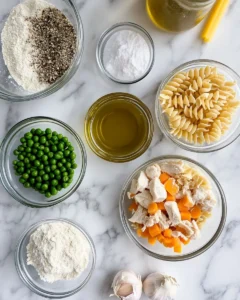
Each ingredient plays an important role in recreating the comforting essence of chicken pot pie while ensuring the dish remains rich, creamy, and satisfying.
-
400 g / 14 oz pasta (penne, rotini, or egg noodles)
-
2 tablespoons olive oil
-
450 g / 1 lb boneless, skinless chicken breast, cut into bite-sized pieces
-
1 teaspoon salt
-
½ teaspoon black pepper
-
1 teaspoon garlic powder
-
1 medium onion, finely chopped (about 150 g / 5 oz)
-
2 cloves garlic, minced
-
150 g / 1 cup diced carrots
-
150 g / 1 cup frozen peas
-
2 tablespoons all-purpose flour
-
480 ml / 2 cups chicken broth
-
240 ml / 1 cup heavy cream
-
1 teaspoon dried thyme
-
½ teaspoon dried parsley
Step-by-Step Instructions
Begin by preparing the pasta. Fill a large pot with water and add a generous amount of salt, ensuring the water is well seasoned. Properly salted water enhances the flavor of the pasta itself. Bring the water to a rolling boil over high heat, then add the pasta. Stir immediately to prevent sticking. Cook according to the package instructions until the pasta reaches an al dente texture, meaning it is tender but still slightly firm in the center. Once cooked, drain the pasta thoroughly and set it aside. If desired, you may reserve a small amount of the cooking water in case you need to loosen the sauce later.
Next, place a large skillet or deep pan over medium heat and add the olive oil. Allow the oil to heat until it begins to shimmer, indicating that the pan is ready for cooking. While the oil is heating, season the chicken pieces evenly with salt, black pepper, and garlic powder. This step ensures that the chicken is flavorful throughout and not just coated by the sauce later.
Carefully add the seasoned chicken to the hot pan in a single layer. Avoid overcrowding, as this can cause the chicken to steam rather than brown. Cook for about 5 to 6 minutes, turning occasionally, until the chicken is golden on the outside and fully cooked through. The internal temperature should reach 75°C (165°F). Once cooked, transfer the chicken to a clean plate and set it aside. Cover loosely to keep warm.
Using the same pan helps retain all the flavorful browned bits left behind by the chicken. Add the chopped onion and cook over medium heat for 3 to 4 minutes, stirring frequently. The onion should become soft, translucent, and slightly sweet. If the pan looks dry, you may add a small drizzle of olive oil to prevent sticking.
Stir in the minced garlic and diced carrots, cooking for about 2 minutes. Continue stirring to prevent the garlic from burning. During this time, the vegetables will release their aroma and begin to soften, creating a flavorful base for the sauce.
Sprinkle the flour evenly over the vegetables and stir well to coat everything. Cook for about 1 minute, stirring constantly. This step forms a roux, which helps thicken the sauce and gives it a smooth, creamy texture. Cooking the flour briefly removes any raw taste and improves the final flavor.
Slowly pour in the chicken broth while whisking or stirring continuously. Add the broth in stages rather than all at once to prevent lumps from forming. As you stir, the mixture will gradually thicken and become smooth. Make sure to scrape the bottom of the pan to incorporate any browned bits for extra flavor.
Once the broth is fully incorporated, pour in the heavy cream, followed by the dried thyme and dried parsley. Stir well to combine. Increase the heat slightly and bring the sauce to a gentle simmer. Avoid boiling vigorously, as this may cause the cream to separate. Allow the sauce to simmer for a few minutes until it begins to thicken and develop a rich, velvety texture.
Next, stir in the frozen peas and return the cooked chicken to the pan. Mix gently to distribute the ingredients evenly. Let the mixture simmer for about 5 minutes, stirring occasionally. During this time, the peas will heat through, the chicken will absorb the flavors of the sauce, and the sauce will thicken further.
Add the cooked pasta to the skillet and toss gently using tongs or a large spoon. Ensure that every piece of pasta is evenly coated with the creamy sauce. If the mixture appears too thick, add a small splash of reserved pasta water or chicken broth to loosen it to your desired consistency.
Taste the dish and adjust the seasoning as needed. Add more salt, pepper, or herbs according to your preference. Once seasoned to taste, remove from heat and serve immediately while hot. For extra flavor, garnish with freshly grated Parmesan cheese or fresh herbs if desired. Serve with a side salad or warm bread for a complete and satisfying meal.

Tips for the Best Chicken Pot Pie Pasta
-
Cook the pasta just until al dente so it doesn’t become too soft when mixed with the sauce.
-
Stir continuously when adding the broth to ensure a smooth, creamy sauce.
-
Let the sauce simmer gently to thicken naturally and develop flavor without becoming too heavy.
Frequently Asked Questions
1. Can I make chicken pot pie pasta ahead of time?
Yes, this dish can be made ahead, which makes it perfect for busy schedules. You can prepare it fully and store it in an airtight container in the refrigerator for up to two days. When reheating, warm it gently over low heat, adding a splash of chicken broth or cream to loosen the sauce if it thickens. This helps maintain the creamy texture and prevents the pasta from drying out.
2. What type of pasta works best for this recipe?
Short pasta shapes like penne, rotini, or egg noodles work best because they hold the creamy sauce well and mix evenly with the chicken and vegetables. Their shape ensures that every bite has a good balance of pasta, sauce, and filling, making the dish more enjoyable and cohesive.
3. How can I make the sauce thicker or thinner?
If you prefer a thicker sauce, let it simmer a few extra minutes before adding the pasta, allowing it to reduce naturally. You can also add a small amount of extra flour mixed with broth if needed. For a thinner sauce, simply stir in additional chicken broth or cream a little at a time until you reach your desired consistency.
4. Can I freeze chicken pot pie pasta?
This dish can be frozen, but creamy pasta dishes are best enjoyed fresh. If freezing, allow the pasta to cool completely, then store it in freezer-safe containers for up to two months. Thaw overnight in the refrigerator and reheat gently. Adding a bit of cream or broth during reheating will help restore the creamy texture.
Final Thoughts
Classic chicken pot pie pasta is a wonderful example of how traditional comfort food can be reimagined in a way that fits modern family life. It offers all the familiar flavors people love—tender chicken, vegetables, and creamy sauce—without the extra steps of making a pie crust. The result is a dish that feels nostalgic yet refreshingly simple.
This recipe is especially comforting because it’s designed to be shared. It’s the kind of meal that brings everyone together, encourages second helpings, and becomes part of your family’s regular dinner rotation. The creamy sauce, combined with hearty pasta and wholesome ingredients, creates a balance that’s both filling and soothing.
Once you try this chicken pot pie pasta, it’s easy to see why it earns its place as a family favorite. It’s warm, satisfying, and reliable—everything comfort food should be. Whether you’re cooking for loved ones or simply treating yourself to a cozy homemade dinner, this dish delivers comfort in every bite.
PrintClassic Chicken Pot Pie Pasta: A Family Favorite Dinner

A creamy, comforting pasta dish inspired by the classic flavors of chicken pot pie.
- Prep Time: 15 minutes
- Cook Time: 30 minutes
- Total Time: 45 minutes
- Yield: 4–6 servings 1x
Ingredients
-
400 g / 14 oz pasta (penne, rotini, or egg noodles)
-
2 tablespoons olive oil
-
450 g / 1 lb boneless, skinless chicken breast, diced
-
1 teaspoon salt
-
½ teaspoon black pepper
-
1 teaspoon garlic powder
-
1 medium onion, chopped (150 g / 5 oz)
-
2 cloves garlic, minced
-
150 g / 1 cup diced carrots
-
150 g / 1 cup frozen peas
-
2 tablespoons all-purpose flour
-
480 ml / 2 cups chicken broth
-
240 ml / 1 cup heavy cream
-
1 teaspoon dried thyme
-
½ teaspoon dried parsley
Instructions
-
Cook pasta until al dente, drain, and set aside.
-
Season and cook chicken in olive oil until golden; remove and set aside.
-
Sauté onion until soft, then add garlic and carrots.
-
Stir in flour and cook briefly.
-
Slowly add chicken broth, stirring constantly.
-
Add cream, thyme, and parsley; simmer gently.
-
Stir in peas and cooked chicken.
-
Add pasta and toss to coat evenly.
-
Adjust seasoning and serve hot.